 EN
EN
 INA
INA
Bingkis'Ant: Deconstructing Masculinity and Transforming the Identity of Gen Z Youth

Denpasar, October 2, 2025 — The Anthropology
Student Association of Udayana University once again held its regular program
entitled Bingkis’Ant (Critical Discussion on Anthropology), this time with the
theme “Deconstructing Masculinity: The Transformation of Gen Z Youth Identity.”
The event took place in the Prof. Dr. Ida Wayan Bawa Room, I Gusti Ngurah Bagus
Building, 3rd Floor, Faculty of Cultural Sciences, Udayana University, starting
at 5:00 p.m. WITA. This event is a regular annual agenda for Krama. It is an
agenda to strengthen the kinship between anthropology students in discussion
activities.
Bingkis’Ant is an intellectual forum for students
to discuss contemporary issues from an anthropological perspective. Through
activities such as this, it is hoped that students can broaden their horizons,
hone their critical thinking skills, and develop sensitivity to social and
cultural changes occurring in society. The event ended at around 8:00 p.m. WITA
with a warm atmosphere and lively discussion.
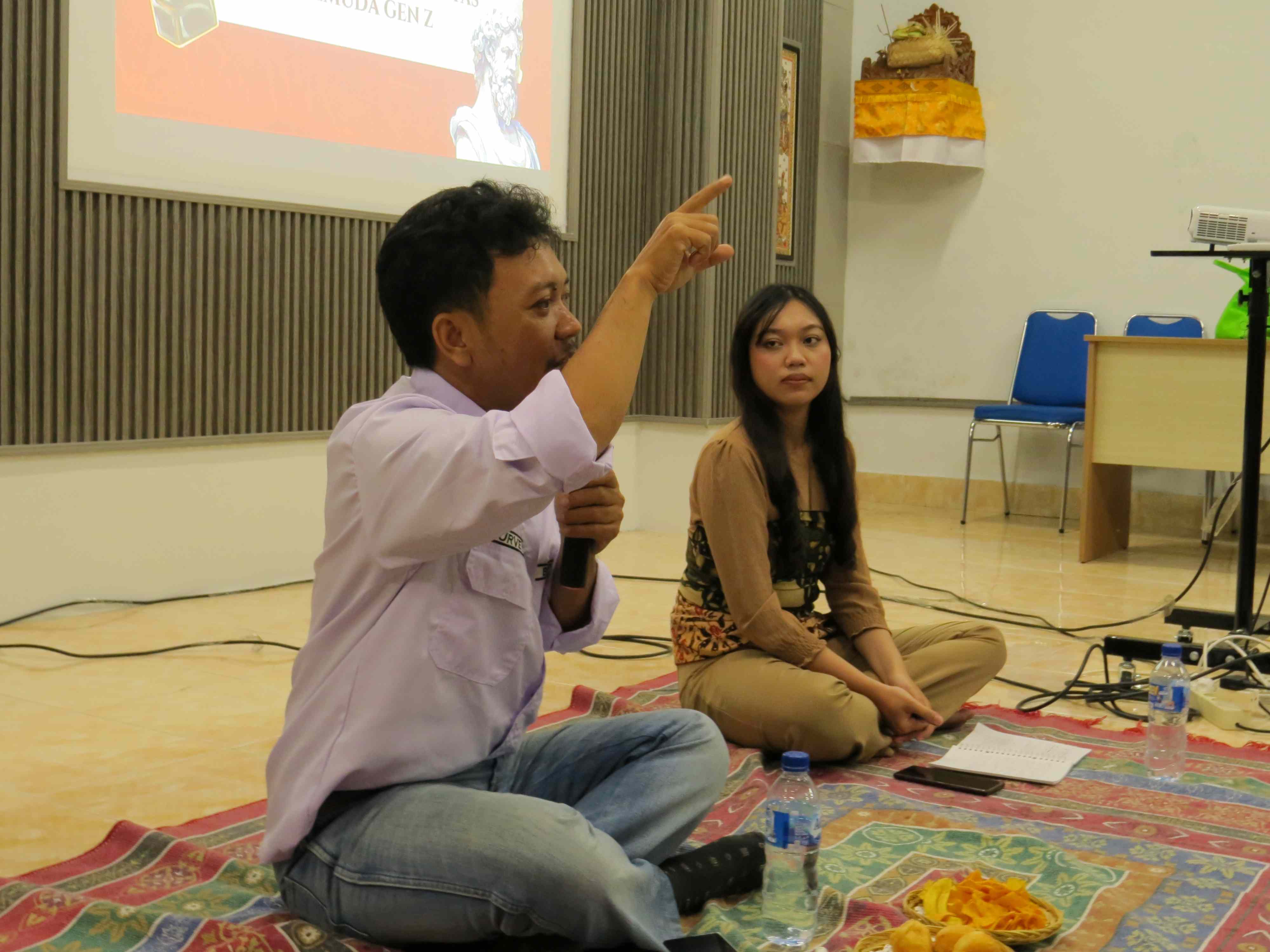
The event was led by Mr.
Taufik Agus Purnomo, an anthropology lecturer who also teaches gender studies.
In his presentation, he explained how the concept of masculinity continues to
undergo shifts in meaning amid social and cultural dynamics, especially among
the younger generation today. Through an anthropological approach, participants
were invited to understand how social structures, media, and popular culture
shape and transform masculine identity in the Gen Z era. Additionally, he
highlighted potential research opportunities for students, particularly
research topics that could be developed into thesis themes in the future.
After the presentation session,
the activity continued with an interactive discussion between participants and
speakers. The discussion was lively and critical, reflecting the reflective
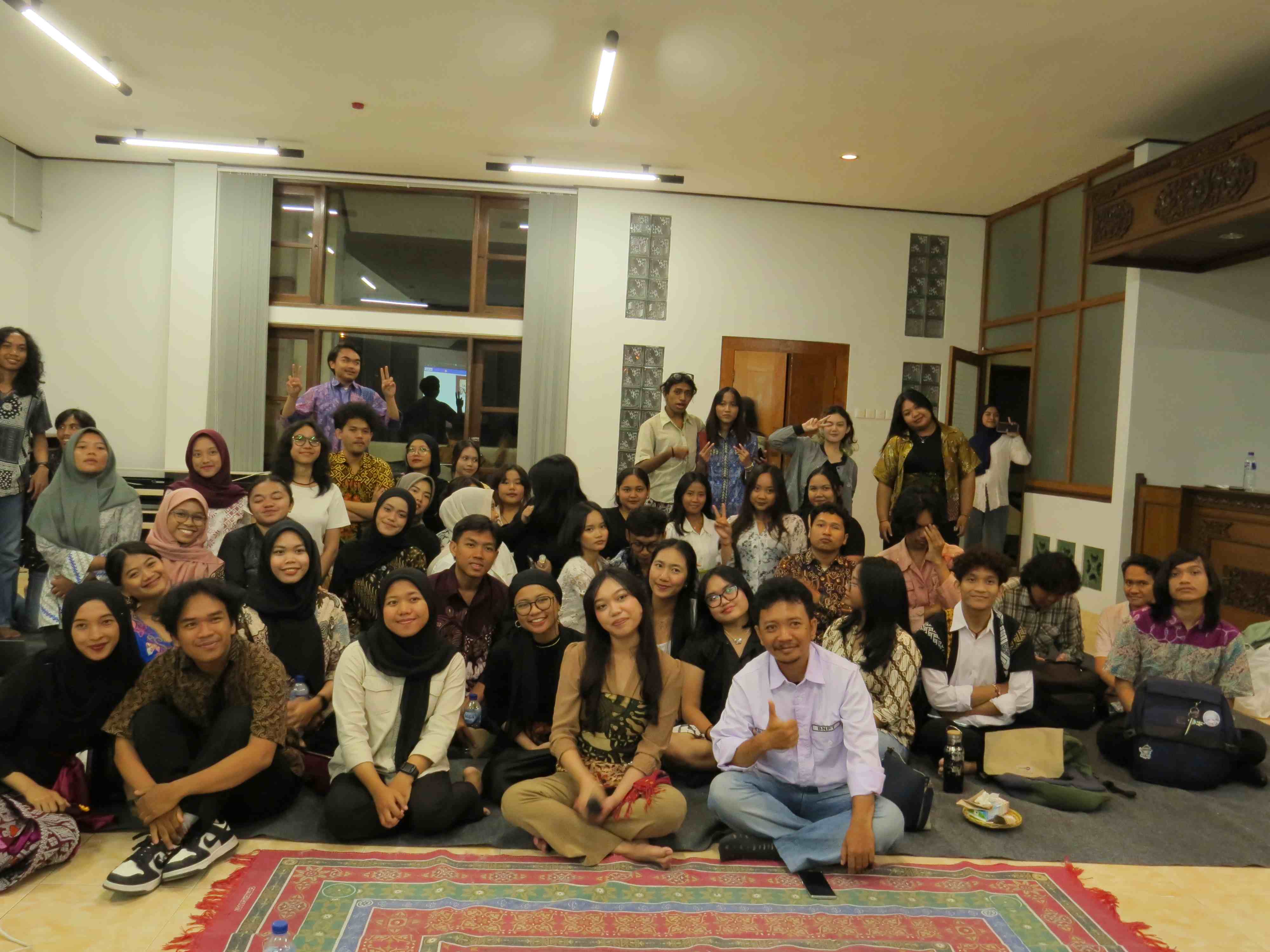
thinking typical of anthropology students. The event was attended by almost all
anthropology students at Udayana University, as well as several students from
the Faculty of Cultural Sciences, and even some graduate students studying
cultural studies. The enthusiasm of the participants was evident from the many
questions and critical views that arose during the discussion (Linggar
Rahmawati).
Gallery


FACULTY OF HUMANITIES